




THE COMPLETE HIGH PROTEIN LOW CARB COOKBOOK FOR SENIORS: Easy and Tasty Recipes to Build Muscle, Balance Blood Sugar, and Support Weight Management After 50

 4.8 (24 items)
 Limited Time Sale
$11.38 cheaper than the new price!!
Free cash-on-delivery fees for purchases over $99
Product details
| Management number | 233415945 | Release Date | 2026/06/27 | List Price | $7.58 | Model Number | 233415945 | ||
|---|---|---|---|---|---|---|---|---|---|
| Category | |||||||||
EMBRACING THE HIGH PROTEIN, LOW CARB LIFESTYLE AFTER 50WHY PROTEIN AND LOW CARBS MATTER AFTER 50As we grow older, our nutritional needs evolve. The human body begins to experience a natural decline in muscle mass—a condition known as sarcopenia, which typically accelerates after the age of 50. This decline, coupled with age-related metabolic slowdown, increases the risk of weight gain, blood sugar imbalances, and fatigue. A high-protein, low-carbohydrate dietary approach has proven to be one of the most effective nutritional strategies to counteract these age-related changes.Protein is essential for muscle maintenance, tissue repair, and immune function. Unlike younger adults, seniors often require more protein per kilogram of body weight to achieve the same anabolic (muscle-building) effect. Whole food sources like lean meats, eggs, nuts, seeds, legumes, and protein-rich vegetables are optimal for providing the needed amino acids without added synthetic supplements.Reducing carbohydrates—especially refined or high-glycemic ones—helps prevent post-meal glucose spikes, reduces systemic inflammation, and lowers the risk of insulin resistance. Complex carbs like leafy greens, cruciferous vegetables, and herbs offer fiber and phytonutrients without overwhelming the body’s insulin response. Seniors who switch to a high-protein, low-carb way of eating often report increased energy, better blood sugar stability, reduced hunger cravings, and more consistent weight management.Nutrition in the second half of life should prioritize functionality over fashion, simplicity over restriction, and wholeness over processing. Rather than measuring calories, this lifestyle emphasizes nourishment, flavor, and health span.THE SCIENCE OF MUSCLE MAINTENANCE AND METABOLIC HEALTHMuscle tissue plays a crucial role in regulating metabolism, glucose usage, and overall mobility. After 50, people naturally lose up to 1–2% of muscle mass per year if their diet and activity levels don’t change. This decline contributes to slower metabolism, weight gain (especially abdominal fat), and an increased risk of chronic diseases like type 2 diabetes and osteoporosis.By increasing high-quality protein intake, seniors can slow or even reverse this process. Unlike high-carb diets that cause insulin and blood sugar spikes, low-carb, high-protein eating supports stable blood glucose levels and reduces the body's reliance on insulin. This is especially beneficial for older adults at risk for or managing prediabetes or type 2 diabetes.The thermic effect of food (TEF) is another key factor. Protein requires significantly more energy to digest than fats or carbs. When seniors consume more protein, their bodies naturally burn more calories during digestion, contributing to weight maintenance without strict dieting. This metabolic advantage is amplified by the satiety effect of protein—keeping people fuller for longer and reducing overall caloric intake without conscious effort.Weight-bearing activities combined with a protein-rich diet are especially powerful. Seniors who lift light weights or engage in resistance training just 2–3 times per week and follow a high-protein eating plan often experience increased muscle tone, improved joint stability, better balance, and reduced risk of falls or fractures.Additionally, certain herbs and spices—like turmeric, ginger, garlic, and cinnamon—naturally support metabolic function. For example, cinnamon has been shown to increase insulin sensitivity, and ginger supports digestion and thermogenesis (the body’s fat-burning process). These herbal allies play an important role in complementing protein-focused meals. Read more
Bestseller ranking
Bottoms

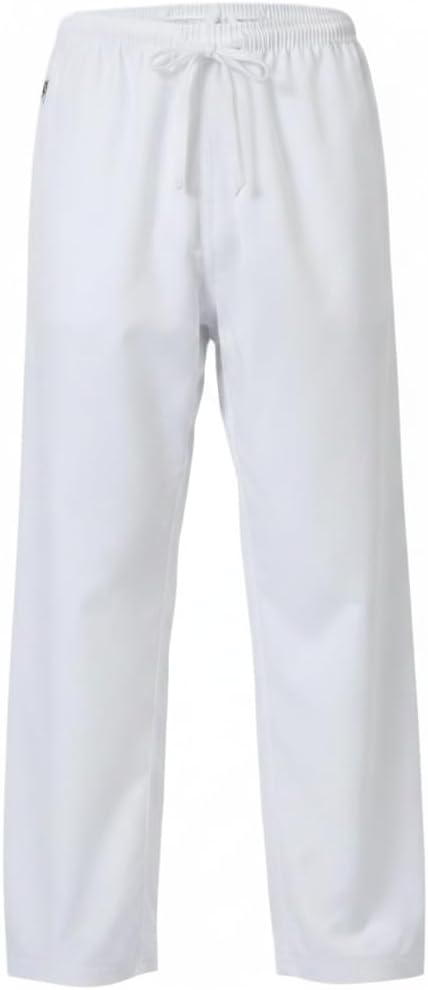
Daedo Taekwondo Training Pants - Taekwondo and Karate Pants, 100% Ribbed Polyester for Flexibility
Daedo Taekwondo Training Pants - Taekwondo and Karate Pants, 100% Ribbed Polyester for Flexibility
Daedo Taekwondo Training Pants - Taekwondo and Karate Pants, 100% Ribbed Polyester for Flexibility
Customers who viewed this product also viewed
General


Correction of product information
If you notice any omissions or errors in the product information on this page, please use the correction request form below.
Correction Request Form